Introduction
In today's quickly changing world, flexibility isn't simply a desirable quality; it's a necessity. Whether we're discussing the developing job market, technological developments, or global obstacles, trainees must learn to grow in the middle of unpredictability. This article checks out the various measurements of teaching flexibility and resilience, especially within the realm of entrepreneurship education. We'll delve into what sets excellent entrepreneurship professors apart, how to instill grit and chance acknowledgment in trainees, and the significance of real-world learning. Through comprehensive techniques, we aim to equip educators with useful tools to foster a versatile mindset among their students.
Adaptability in Action: Teaching Trainees to Flourish in Uncertainty
Adaptability is the cornerstone of success in any field, particularly within entrepreneurship. However what does it indicate for teachers? Teaching adaptability involves more than just imparting understanding; it requires producing an environment where trainees feel safe to check out unpredictabilities and take risks.
The Importance of Versatility in Education
Incorporating flexibility into educational frameworks prepares trainees for future obstacles. Offered the unforeseeable nature of today's world-- where industries can change overnight-- students geared up with entrepreneurship research adaptive abilities are much better positioned for success. They find out not only to navigate problems however also to innovate solutions.
What Sets Fantastic Entrepreneurship Professors Apart: The Science and Soul Behind Teaching Mindset
Great entrepreneurship teachers embody both clinical understanding and wholehearted enthusiasm for mentor. They concentrate on cultivating a development state of mind-- a belief that abilities can be developed through dedication and difficult work.
Understanding Growth Mindset
- Definition: A growth mindset is the belief that intelligence and capabilities can be developed. Importance: This state of mind encourages durability against obstacles; trainees discover that failure belongs to the journey instead of an endpoint.
Strategies for Fostering a Growth Mindset
Encourage Risk-Taking: Create a classroom environment where taking calculated dangers is encouraged. Normalize Failure: Share stories of effective entrepreneurs who dealt with failures. Provide Positive Feedback: Concentrate on effort and improvement instead of just results.How to Teach Grit, Adaptability, and Chance Recognition-- And In Fact Make It Stick
Teaching these important skills isn't about lecturing; it has to do with engaging trainees in meaningful experiences that reinforce these traits.
Defining Grit
Grit is determination and passion for long-term goals. To nurture this quality:
- Set Long-Term Projects: Motivate dedication through projects that cover weeks or months. Cultivate Enthusiasm Discovery: Permit students time to explore what really interests them.
Methods for Instilling Flexibility and Chance Recognition
Real-World Projects: Execute tasks that require students to adapt based on unforeseen outcomes. Networking Opportunities: Facilitate connections with regional entrepreneurs who can share their experiences.Real-World Knowing, Real Results: Classroom Strategies That Release Ventures and Modification Lives
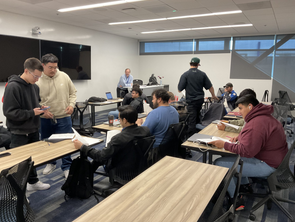
The most impactful knowing occurs when theory meets practice. By including real-world situations into lesson strategies, educators can Leading Business Professor in Tucson prepare students for entrepreneurial ventures effectively.
Project-Based Knowing (PBL)
What Is Project-Based Learning?
Project-Based Knowing involves appealing trainees in tasks that need vital thinking, partnership, and interaction skills.
Benefits of PBL
- Enhances problem-solving abilities. Encourages teamwork. Provides tangible experience pertinent to future careers.
Case Studies as Knowing Tools
Using case research studies can ignite discussions around versatility:
Analyze business that adjusted successfully throughout crises (e.g., Netflix's transition from DVD rentals). Discuss failures due to lack of versatility (e.g., Smash hit's downfall).From Theory to Practice: Using Failure, Feedback, and Reflection to Build Entrepreneurial Thinkers
The Function of Failure in Learning
Failure isn't something to avoid; it's a powerful teacher.
How Failure Drives Innovation
When trainees experience challenges:
- They develop resilience. They find out crucial thinking by evaluating what went wrong.
Implementing Feedback Loops
Feedback ought to be useful and timely:
Use peer reviews as a chance for collaborative learning. Incorporate self-reflection sessions where students examine their own learning journeys.
The Metrics of Mastery: How to Measure Growth in Mindset, Not Simply Grades or Attendance
Traditional metrics typically fail to record true student growth.
Alternative Evaluation Techniques
Self-Assessments: Trainees evaluate their own development towards adaptability. Portfolio Evaluations: Gather examples of student work showing development over time.Key Performance Indicators (KPIs) for Flexibility Skills
|KPI|Description|| --------------------------|---------------------------------------------------|| Problem-Solving Capability|Capability to create options under pressure|| Resilience Score|Coping methods used after setbacks|| Engagement Levels|Participation in class activities|
Award-Winning Innovation in Teaching: Case Studies, Student Success Stories, and Best-in-Class Outcomes
Highlighting effective programs can influence others:
Case Research study 1: The Entrepreneurial Incubator Program at XYZ University
This program focuses on turning concepts into practical companies while fostering versatility amongst individuals through hands-on workshops.
Success Story
One student turned a stopped working job into a successful app catering specifically to remote employees by pivoting based upon user feedback gotten during preliminary screening phases.
Case Study 2: Mentorship Programs Connecting Students with Industry Leaders
These programs provide invaluable insights into real-world obstacles while providing networking opportunities that cultivate adaptive thinking among participants.
Frequently Asked Concerns (FAQs)
1. What are the crucial components of teaching adaptability?
Teaching versatility includes promoting a development mindset, motivating real-world applications through project-based knowing, supplying constructive feedback, and emphasizing durability through failure experiences.
2. How do I determine my students' adaptability skills?
You can utilize alternative assessments such as self-assessments or portfolio evaluations while likewise tracking specific KPIs like problem-solving capability or strength score over time.
3. Why is failure crucial in entrepreneurial education?
Failure teaches critical lessons about risk-taking and development while assisting develop strength-- an important characteristic for any entrepreneur going for long-lasting success.
4. Can you offer examples of reliable class strategies?
Effective techniques include project-based knowing initiatives where students take on real-world problems together while getting feedback from peers and coaches alike throughout the process.
5. How do excellent professors impart grit in their students?
Great teachers create environments where challenges are stabilized-- trainees engage deeply with long-lasting tasks while being encouraged consistently throughout their journey towards mastery over specific abilities or concepts related directly back into entrepreneurship education more broadly speaking!
6. What role does mentorship play in developing versatile thinkers?
Mentorship provides assistance from experienced experts who have browsed uncertainty themselves; it assists bridge class theories with market truths boosting overall engagement levels within each respective field too!
Conclusion
In summary, teaching flexibility is vital for equipping today's students with essential abilities needed not just academically but throughout all elements life might throw at them! By integrating real-world knowing experiences together with fostering mindsets rooted deeply within persistence/resilience-- we open doors leading straight towards entrepreneurial success stories waiting patiently ahead too! As educators making every effort towards excellence ourselves let's stay committed constantly opening prospective covert deep down inside every trainee all set accept modification with confidence moving forward together!
Adaptability in Action implies ensuring our class not only inform minds however also support hearts empowering future generations thrive in the middle of unpredictabilities awaiting them out there beyond school walls!